
The recent incident involving the overflight of Tu-95 strategic bombers and Su-35 fighter jets off the coast of Alaska demonstrated the kind of equipment the U.S. will use in such situations.
To successfully intercept and control the situation, an integrated air group was put in the air:
- E-3 Airborne Long Range Airborne Warning and Control System (AWACS) aircraft: This aircraft is a key element of the operation. It is used as an “airborne command post” capable of detecting Russian aircraft at long ranges and coordinating U.S. fighter aircraft.
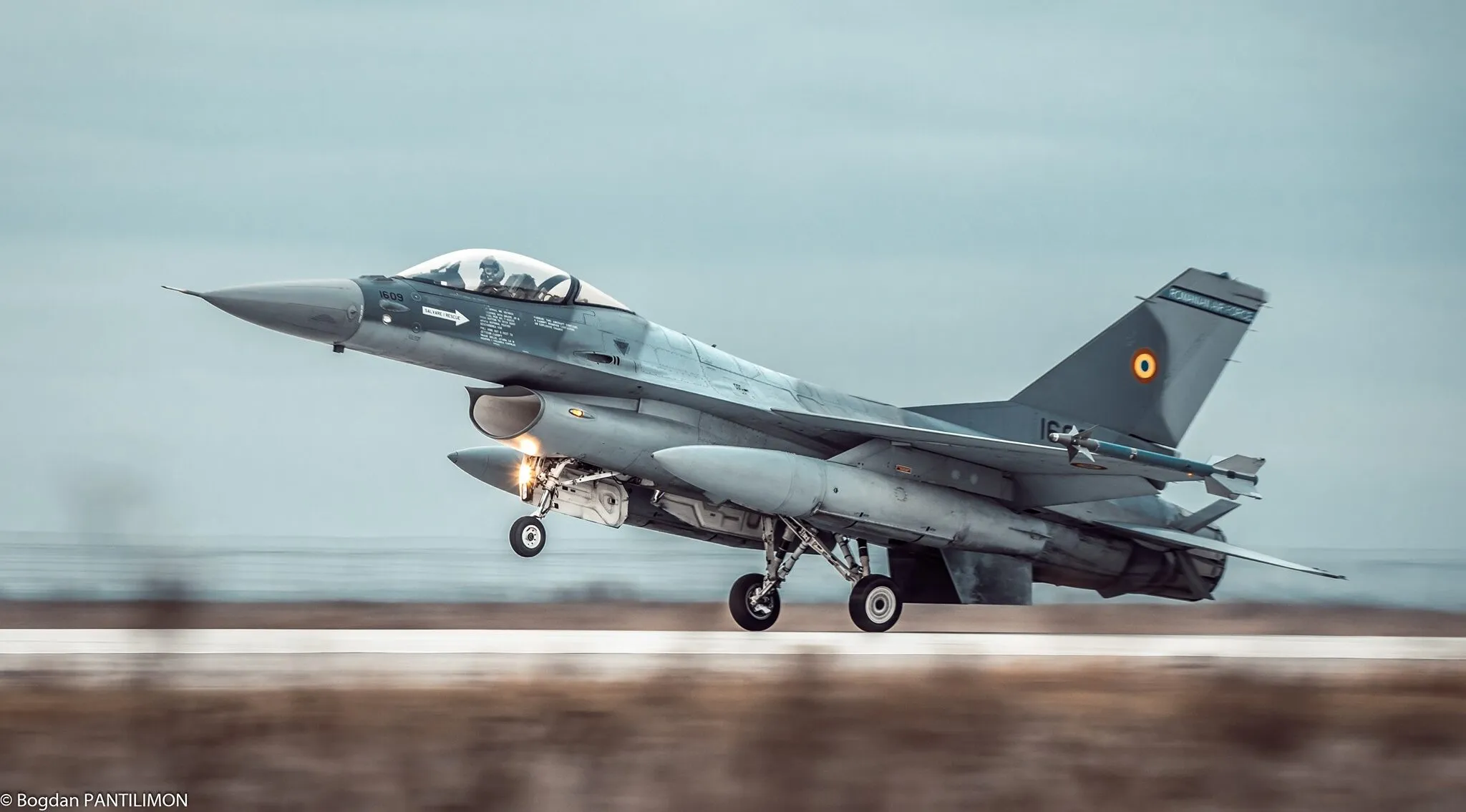
- F-16 fighter jets: Four F-16 fighter jets have taken to the air to directly intercept and visually follow Russian aircraft. These multirole aircraft act as a “shield,” ensuring airspace security.
- KC-135 refueling aircraft: Four KC-135 refueling aircraft were also involved in the operation. They provide an air-to-air refueling capability for the F-16 fighters, greatly increasing their patrol time and the effectiveness of the interdiction mission.
This force composition (reconnaissance/control, interdiction, and sustainment) demonstrates the high degree of preparedness of U.S. commanders to respond to potential threats near their borders.
Додайте GSMinfo до джерел у Google News Щоб бачити наші публікації у своїй стрічці новин